
The Short Answer
Testosterone is the primary male sex hormone, produced mainly in the testes under signals sent from the brain’s pituitary gland. It plays a role in far more than sex drive and muscle, it also affects bone density, red blood cell production, fat distribution, mood, and cognitive focus. Levels naturally decline gradually with age, but a range of lifestyle, medical, and hormonal factors can affect it at any stage of adulthood.
Where Testosterone Comes From
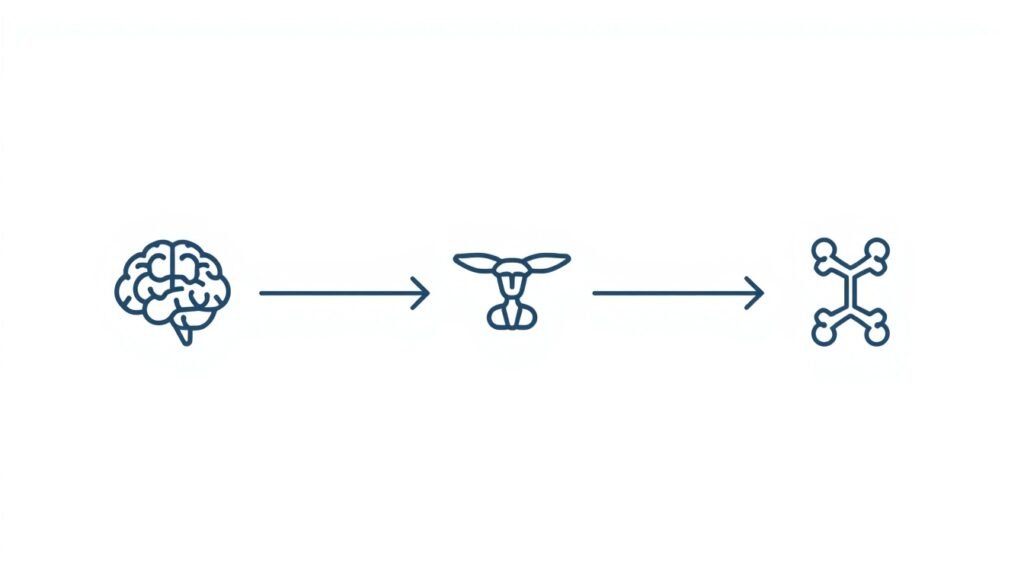
Testosterone production starts in the brain. The hypothalamus signals the pituitary gland to release luteinising hormone (LH), which travels to the testes and prompts the Leydig cells there to produce testosterone. This chain, hypothalamus → pituitary → testes, is often referred to as the hypothalamic-pituitary-gonadal (HPG) axis, and it’s the reason a blood test measuring LH and FSH alongside testosterone can help identify where a problem originates if levels are low.
Once released, testosterone circulates in the blood in two forms: bound to proteins (mostly SHBG, and some to albumin) or unbound and biologically active — known as “free testosterone.” See our guide on total vs. free testosterone for more detail on why this distinction matters clinically.
What Testosterone Actually Does
Testosterone’s role extends well beyond the effects most commonly associated with it:
- Sexual function: libido, erectile function, and sperm production
- Muscle and strength: supports protein synthesis and muscle mass maintenance
- Bone density: helps maintain bone mineral density, with low levels linked to increased fracture risk over time
- Red blood cell production: stimulates bone marrow to produce red blood cells
- Fat distribution: influences where and how the body stores fat
- Mood and cognition: linked to motivation, mood stability, and mental clarity, though the relationship is complex and not fully understood
- Cardiometabolic health: low levels are associated with higher rates of insulin resistance and cardiovascular risk factors, though the exact cause-and-effect relationship is still an active area of research
How Levels Change With Age
Testosterone typically peaks in a man’s late teens to twenties, then gradually declines — commonly cited at roughly 1% per year after around age 30. This decline is usually gradual enough that most men don’t notice a sudden change, though the pace and experience of this decline vary considerably between individuals. See our detailed breakdown in Normal Testosterone Levels by Age.
Importantly, SHBG, the protein that binds testosterone, tends to rise with age, which means free testosterone (the active portion) can decline somewhat faster than total testosterone as men get older.
Why This Matters for Your Health
Testosterone isn’t just about the symptoms most commonly discussed online (energy, libido, muscle). It’s genuinely connected to broader long-term health markers, bone health, metabolic health, and mood regulation among them. This is part of why unexplained fatigue, low mood, reduced muscle mass, or reduced libido are all reasonable prompts to consider getting tested, rather than symptoms to dismiss individually. See our guide on signs you might have low testosterone for a fuller list.
When Might It Be Worth Getting Tested?
There’s no need to test testosterone routinely if you have no symptoms and no specific concern. But it may be worth considering a test if you’re experiencing persistent fatigue, low libido, mood changes, or difficulty maintaining muscle mass, particularly if these symptoms have developed gradually and don’t have an obvious other explanation. See our guide on how to prepare for a testosterone test for what to expect.
Frequently Asked Questions
Is testosterone only relevant to men?
No, women also produce testosterone in smaller amounts (via the ovaries and adrenal glands), where it plays a role in libido, bone health, and muscle maintenance. This article focuses on testosterone in men’s health, given the context of this site.
Does low testosterone always cause symptoms?
Not necessarily. Some men with levels at the lower end of the reference range have no symptoms at all, while others with a similar level may experience noticeable effects — which is why symptoms and blood results are usually interpreted together, not in isolation.
Can testosterone levels recover on their own?
In some cases, for example, temporary dips caused by stress, illness, or poor sleep, levels can improve once the underlying factor resolves. Persistently low levels usually require medical evaluation to identify an underlying cause.
What’s the difference between testosterone and TRT?
Testosterone is the hormone itself, produced naturally by the body. TRT (testosterone replacement therapy) is a medical treatment that supplements testosterone in people diagnosed with a genuine deficiency, and should only be started and monitored by a qualified clinician. See TRT Explained.
Related Reading
- Normal Testosterone Levels by Age: What’s “Normal” in the UK?
- Total vs. Free Testosterone: What’s the Difference?
- What Is SHBG and Why Does It Affect Your Results?
- Low Testosterone: Causes, Symptoms, and What to Do Next
- Best Testosterone Test Kits in the UK: 2026 Comparison
This content is for general informational purposes only and is not medical advice. See our full Medical Disclaimer. If you’re experiencing symptoms, speak to your GP or a qualified healthcare professional.