
The Short Answer
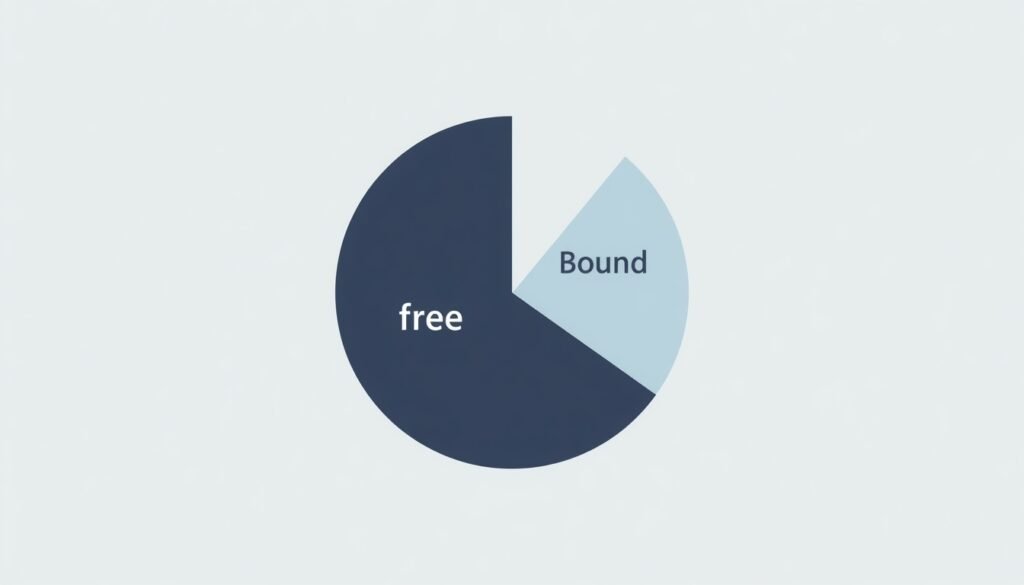
Total testosterone measures all the testosterone in your blood, both bound to proteins and freely circulating. Free testosterone measures only the small, biologically active portion (typically just 1–2% of the total) that isn’t bound to proteins like SHBG or albumin. Total testosterone is the standard first-line measurement, but free testosterone often gives a clearer picture of what your body actually has available to use, particularly when SHBG levels are unusually high or low.
How Testosterone Travels in the Blood
Once produced, testosterone doesn’t circulate freely on its own for the most part. Instead, it exists in three states:
- Bound to SHBG (sex hormone-binding globulin): tightly bound and not readily available for use by tissues, this makes up the majority of circulating testosterone in most men.
- Bound to albumin: more loosely bound, and considered “bioavailable” because it can be released relatively easily when needed.
- Free testosterone: entirely unbound, and immediately available to act on tissues throughout the body. This is usually only around 1–2% of total testosterone.
Total testosterone is simply the sum of all three. Free testosterone measures only the unbound portion.
Why the Distinction Matters
Two men can have identical total testosterone readings but very different free testosterone levels, depending on how much SHBG they have. SHBG levels vary based on age, body composition, thyroid function, liver health, and other factors — see our full guide on what SHBG is and why it affects your results.
This matters clinically because:
- High SHBG can bind up more testosterone, leaving less free testosterone available, potentially causing symptoms of low testosterone even when the total testosterone reading looks normal.
- Low SHBG means proportionally more testosterone is free, which can occasionally mean a total testosterone reading that looks borderline still reflects an adequate amount of active hormone.
This is why relying on total testosterone alone can occasionally miss the full picture, particularly in men whose SHBG sits outside the typical range.
When Is Free Testosterone Specifically Useful?
Free testosterone (or a calculated free androgen index, derived from total testosterone and SHBG) is particularly useful when:
- Total testosterone sits in the borderline “grey zone” but symptoms are significant
- There’s reason to suspect SHBG might be unusually high or low (e.g., due to obesity, thyroid conditions, or liver disease)
- Monitoring treatment response over time, where changes in free testosterone may be more clinically meaningful than total testosterone alone
How Free Testosterone Is Measured
Free testosterone can be measured directly, though this is technically more complex and less standardised across labs. More commonly, it’s calculated using total testosterone, SHBG, and sometimes albumin, via an established formula. This calculated figure is generally considered a reliable estimate for clinical purposes.
What This Means for Choosing a Test
If you’re only curious about a baseline reading, a total testosterone test is a reasonable, low-cost starting point. If you have symptoms of low testosterone, choosing a panel that includes SHBG (so free testosterone can be calculated) gives considerably more useful information than total testosterone alone. See our comparison of testosterone tests with a full hormone panel for providers that include these markers.
Frequently Asked Questions
Which is more important, total or free testosterone?
Neither is universally “more important”, total testosterone is the standard first measurement, while free testosterone adds valuable context, particularly when SHBG is unusually high or low, or when symptoms don’t match a normal-looking total testosterone reading.
Can my total testosterone be normal but my free testosterone be low?
Yes, this can happen when SHBG is elevated, binding up more of the available testosterone and leaving a smaller free portion, even though the total figure looks unremarkable.
Do I need a separate test for free testosterone?
Most comprehensive hormone panels include SHBG (and sometimes calculate free testosterone or free androgen index directly) alongside total testosterone, rather than requiring a completely separate test.
Is free testosterone testing accurate?
Directly measured free testosterone can be technically challenging and less standardised between labs; a calculated free testosterone (from total testosterone, SHBG, and sometimes albumin) is widely used and generally considered a reliable estimate for clinical purposes.
Should I ask my GP to test free testosterone specifically?
It’s reasonable to ask, particularly if your total testosterone is borderline and you have symptoms, though NHS practice varies, and this is often more readily available through private testing panels.
Related Reading
- What Is SHBG and Why Does It Affect Your Results?
- Normal Testosterone Levels by Age: What’s “Normal” in the UK?
- Best Testosterone Tests With a Full Hormone Panel
- Low Testosterone: Causes, Symptoms, and What to Do Next
This content is for general informational purposes only and is not medical advice. See our full Medical Disclaimer. If you have concerns about your results, speak to your GP or a qualified healthcare professional.